
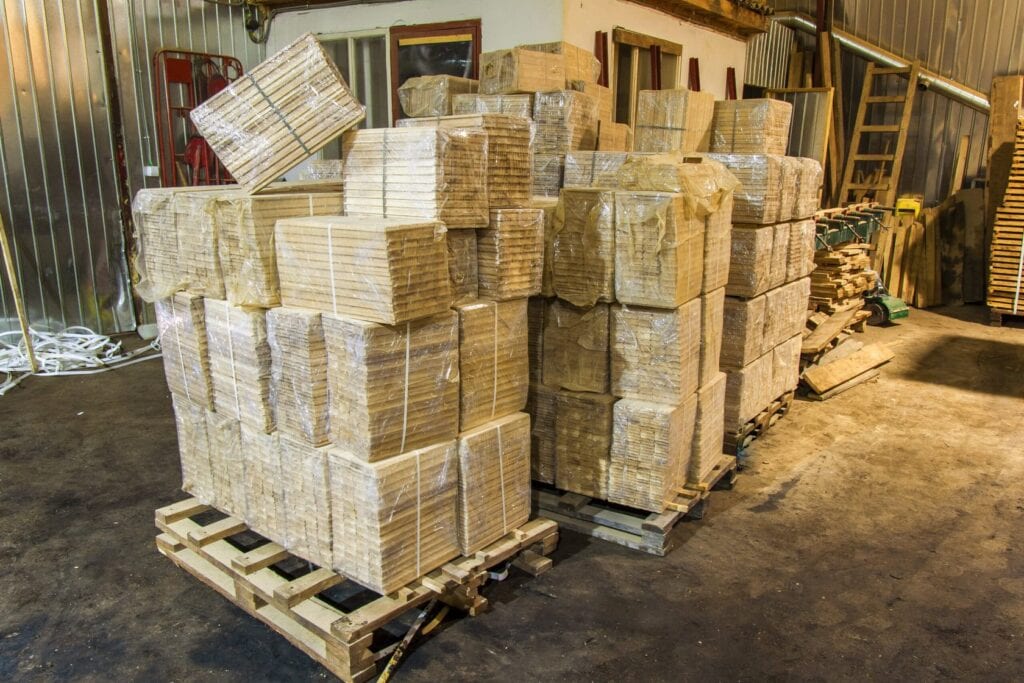
Pallets, a commonly used container for shipping and manufacturing, are graded on a quality scale, originally created by the Grocery Manufacturers Association (GMA), now known as the Consumer Brands Association (CBA). Understanding the difference between A-grade and B-grade pallets is essential for pallet suppliers, manufacturers, and buyers, helping them save money, ensure product safety, and streamline logistics. Let’s break down the basics of pallet grading and why it matters.
What are A-grade pallets?
A-grade pallets are high-quality, recycled pallets exhibiting minimal signs of wear and tear. These pallets are often referred to as “premium” or “like-new,” expressing their excellent condition and structural soundness. These pallets are typically preferred in industries where hygiene, appearance, and structural integrity are essential.
Here’s what you can expect from A-grade pallets:
- Appearance: Clean, with uniform dimensions and minimal surface damage.
- Repairs: If repairs exist, they are typically minor and done to maintain a like-new look and feel.
- Wood Condition: Boards and stringers (the structural pieces of the pallet) are intact and free of major splits or cracks.
- Durability: A-grade pallets are sturdy and 100% structurally sound, making them capable of handling heavy loads.
Best Uses for A-Grade Pallets
A-grade pallets are a great choice for shipping products in industries with strict standards, including:
- Food and Beverage: Clean pallets reduce the risk of contamination during transport.
- Pharmaceuticals: Pristine pallets meet hygiene regulations for transporting sensitive products.
A-grade pallets are worth the investment if presentation or compliance is a priority.
What are B-grade pallets?
B-grade pallets are lower-quality than A-grade pallets, but they remain highly functional for many business applications. These pallets commonly feature minor damage or flaws that do not compromise their structural integrity, making them an affordable option for businesses seeking practical solutions.
Here’s a closer look at B-grade pallets:
- Appearance: Shows visible signs of wear, such as discoloration, scratches, damaged stringers, or missing wood pieces.
- Repairs: Often repaired with recycled wood or metal plates to extend their usability.
- Wood Condition: May have some damaged boards or thinner wood pieces, which can slightly affect load capacity.
- Durability: While less robust than A-grade pallets, they are still suitable for many lighter loads and non-cosmetic applications.
Best Uses for B-Grade Pallets
B-grade pallets are ideal for:
- Internal Warehouse Operations: Perfect for moving goods within facilities where aesthetics and perfection don’t matter.
- Non-Critical Shipping: Great for transporting products where minor cosmetic imperfections are acceptable.
- Cost-Saving Initiatives: When budget constraints are a priority, B-grade pallets provide an affordable yet functional solution.
Choosing the Right Pallet for Your Business
The pallet grading system creates a consistent way to produce and repair pallets, ensuring similar quality across all pallets. Choosing the right grade can make a huge difference in your operations. Here’s why understanding the grading system is important:
1. Cost Efficiency
If you’re managing a tight budget, B-grade pallets can save significant costs while still offering reliable performance for non-critical uses. Alternatively, A-grade pallets are a worthy investment for industries where quality and hygiene are non-negotiable.
2. Industry Compliance
Certain industries, such as food, beverages, and pharmaceuticals, have strict hygiene and safety standards that require A-grade pallets. Using the wrong grade could result in non-compliance, fines, or product damage.
3. Product Safety and Longevity
The structural integrity of A-grade pallets makes them better suited for heavier, high-value goods, reducing the risk of damage during transit. However, B-grade pallets are excellent for handling lighter loads and performing in-warehouse actions.
4. Operational Efficiency
Matching the right pallet grade to your specific application ensures smoother logistics, whether you’re shipping across the country or moving items within a warehouse.
Quick Tips for Choosing the Right Pallet Grade
Still unsure which pallet grade is best for your needs? Here are some quick tips:
- Assess Load Requirements: Heavier or fragile items may need the durability of A-grade pallets, while lighter goods can work with B-grade options.
- Consider Industry Standards: Check if your industry has specific pallet requirements, especially for hygiene or safety.
- Weigh Cost vs. Quality: A-grade pallets cost more upfront but can save money by reducing product damage or meeting compliance needs.
Find Your Next Pallet with Skid Logic
Whether you need pristine A-grade pallets or cost-effective B-grade solutions, Skid Logic is your trusted partner in the pallet industry. Browse our directory of listings today to find the perfect match for your business.
Join Skid Logic now and take the guesswork out of pallet sourcing!