
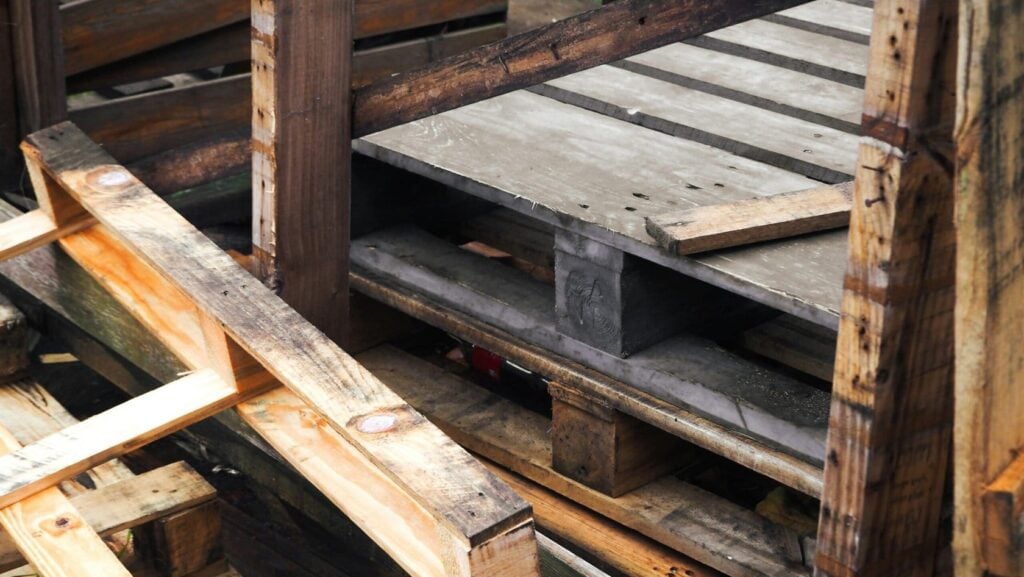
In the competitive pallet industry, small pallet yards face a unique challenge: maintaining high-quality pallets while keeping costs under control. Balancing cost and quality is critical to building trust and rapport with buyers and sellers and ensuring long-term success and growth. Let’s look at some actionable tips to help small pallet yards achieve this balance without compromising on quality or profitability.
Source Materials Strategically
One of the most significant expenses in pallet production is the cost of raw materials. Materials like hardwood can cost an arm and a leg, especially when creating a large number of pallets. Luckily, there are some ways to develop high-quality pallets without breaking the bank on materials. Small yards can save money by:
- Partnering with local suppliers: Establish relationships with local lumber mills or recycling centers to reduce shipping costs.
- Buying in bulk: While it may seem costly upfront, bulk purchasing often provides significant discounts.
- Utilizing recycled wood: Repurposing materials from old or damaged pallets is both cost-effective and environmentally friendly. These pieces can be used to repair pallets, increasing their longevity.
By diversifying your sourcing strategies, you can secure high-quality materials without inflating your budget.
Optimize Workforce Efficiency
Labor is another substantial expense for small pallet yards. To maintain productivity without overspending:
- Invest in employee training: Well-trained employees are less likely to make mistakes, reducing waste and rework.
- Use automation wisely: Introduce automated or semi-automated machinery for repetitive tasks like nail removal or pallet assembly. This improves efficiency and minimizes long-term labor costs. These machines can also scale with you as your pallet yard grows.
- Encourage multitasking: Cross-train your team to handle multiple responsibilities so operations run smoothly, even during staffing fluctuations.
Streamlining labor processes helps keep costs in check while maintaining a skilled and efficient workforce.
Maintain Your Equipment
Broken machinery can halt operations and be expensive to repair. This kind of breakdown causes a loss of time and money, which can significantly impact the operations of a small pallet yard. Proactively managing equipment reduces unexpected costs. Here are some ways to keep your equipment in good condition:
- Regular maintenance: Schedule routine inspections and servicing to extend the life of your machines. Depending on the machine, inspections are performed once per quarter.
- Invest in durable equipment: While it may require higher upfront costs, reliable machinery saves money over time by minimizing downtime and repair needs.
- Consider second-hand machinery: Used equipment in good condition can offer significant savings without sacrificing performance.
Maintaining a consistent workflow ensures you can meet quality expectations and delivery deadlines.
Focus on Customer Relationships
Strong relationships with buyers and sellers can provide long-term financial stability. To enhance customer satisfaction while keeping costs low:
- Communicate transparently: Be upfront about pricing, timelines, and product specifications. For example, customers can be provided with a sheet outlining the price of different pallet types and any discounts for bulk orders.
- Offer tiered pricing options: Allow customers to choose between premium and budget-friendly pallet options based on their needs.
- Prioritize quality control: Even on a tight budget, delivering pallets that meet specifications prevents costly disputes and returns. Always examine pallets thoroughly before shipping them out.
Happy customers are more likely to return and recommend your yard to others, driving growth without significant marketing investments.
Leverage Technology for Better Operations
Modern software and platforms can simplify operations and help you stay competitive in the pallet industry. Tools like Skid Logic, which connects pallet buyers, sellers, and manufacturers, streamline operations and expand market access. Inventory management software can also help you keep track of what kinds of pallets and raw materials you have to avoid overstocking and shortages. Smart technology investments can reduce overhead while improving operational efficiency.
Implement a Pallet Recycling Program
Recycling not only minimizes waste but also provides a low-cost supply of materials. Small pallet yards can:
- Repair damaged pallets: Salvage usable wood and hardware from broken pallets for new builds or repairs.
- Offer recycling services. Encourage customers to return used pallets, creating a steady supply of materials. These pallets can be resold as A-grade or B-grade pallets, depending on their condition.
By turning waste into a resource, you can cut material costs without compromising on quality.
Track Key Performance Indicators (KPIs)
Monitoring KPIs ensures you can balance cost and quality effectively. Focus on metrics like:
- Cost per pallet: Evaluate how much you’re spending on materials, labor, and overhead for each pallet produced. This can help you determine where if at all, you need to cut back.
- Defect rate: Track how often pallets fail to meet quality standards and identify areas for improvement.
- Customer retention rate: Satisfied customers are a sign that your quality standards align with market expectations.
By following these KPIs closely, small pallet yards can make informed decisions about their operations.
Build a Strong Local Network
Being a small yard doesn’t mean you can’t compete with more prominent players. Focus on building a strong local presence by:
- Partnering with nearby businesses: Connect with local businesses and warehouses that need pallets regularly.
- Participating in industry events: Attend networking events to establish connections with suppliers and buyers. Additionally, platforms like Skid Logic can be used to connect with buyers and other pallet yards.
- Offering exceptional service: Going the extra mile in customer service can differentiate you from larger competitors.
A solid local network keeps your yard relevant and competitive in your region.
Balancing cost and quality in a small pallet yard is no easy task, but with the right strategies, it’s achievable. By focusing on efficient operations, strategic sourcing, and leveraging tools like Skid Logic, small yards can thrive in the competitive pallet industry. Remember, maintaining high-quality standards while managing expenses is the key to building a successful and sustainable business.
Contact Skid Logic Today!
If you’re ready to expand your network in the pallet industry, visit Skid Logic today and explore how our platform can transform your pallet operations.