
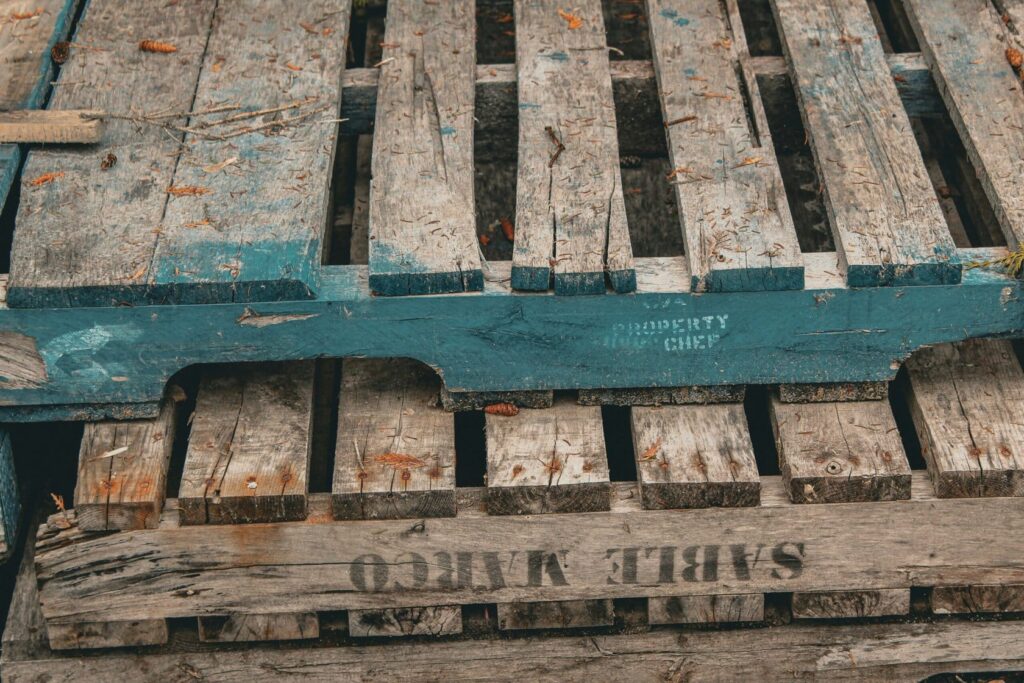
Pallets are often overlooked; however, they play an essential role in the logistics and supply chain industry. They support heavy loads, withstand demanding environments, and facilitate the movement of goods efficiently, keeping products and economies flowing worldwide. However, they can also be prone to damage and wear. Maximizing their lifespan not only saves costs but also promotes sustainability by reducing waste. Let’s explore actionable tips to make pallets last longer.
Choose Quality Materials
The foundation of a durable pallet starts with high-quality materials. For wooden options, hardwoods like oak and maple tend to last longer than softwoods such as pine. However, these hardwoods typically come at a steep price in comparison to pine or plywood. If you’re considering plastic pallets, opt for high-density polyethylene (HDPE), which offers superior strength and resilience.
While the initial investment in premium materials may seem costly, the longevity and performance of these pallets will offset replacement expenses over time. Quality materials also reduce the likelihood of splinters, cracks, or other forms of degradation that could lead to frequent, expensive repairs or failure.
Implement Regular Maintenance and Repairs
Pallets can endure a lot of wear and tear during daily operations. Seemingly small issues like loose nails, splintered wood, or warped boards can quickly escalate, compromising an entire load of goods. To prevent this, establish a maintenance program that includes regular inspections.
During inspections, look for:
- Broken or missing slats.
- Exposed or bent nails.
- Signs of rot, mold, or pest infestations.
Quick fixes, such as replacing damaged boards or tightening nails, can significantly prolong the life of your pallets. Investing in a repair kit with essential tools like hammers, pre-cut replacement boards, and nails can streamline the process, making repairs as quick as possible.
Opt for Treated Pallets
Treated pallets are designed to resist environmental factors, like pest infestations, that accelerate wear and tear. For wooden pallets, consider heat-treated (HT) or chemically treated options. Heat treatment eliminates pests and strengthens the wood, while chemical treatments can protect against rot and decay. As a bonus, these pallets are cleared for international shipping!
Though they are more expensive, plastic pallets inherently resist moisture and pests, making them an excellent choice for long-term use in wet or humid environments. Although treated pallets often come with a higher upfront cost, their extended durability often outweighs this investment.
Ensure Proper Storage Conditions
How and where you store your pallets can significantly impact their lifespan. Wooden pallets are particularly susceptible to moisture, which can lead to warping, rotting, and mold growth. Follow these storage tips:
- Indoors: Store pallets in a dry, well-ventilated area. If pallets are in storage for a long time, be sure to give them periodic inspections to catch signs of rot.
- Outdoors: If storage outdoors is unavoidable, stack pallets on racks or pallet blocks to elevate them off the ground. Use waterproof covers or tarps to shield them from rain and snow.
- Avoid Overstacking: Stacking too high can cause the bottom pallets to warp under the weight.
Proper storage extends the usability of your pallets and minimizes the risk of costly damage.
Train Staff on Proper Handling Techniques
Incorrect handling is one of the leading causes of pallet damage. Training your staff on proper techniques can go a long way in preserving your investment.
Key practices include:
- Use forklifts and pallet jacks carefully to avoid hitting the edges or boards.
- Never dragging pallets across rough surfaces.
- Loading pallets evenly to prevent bending or cracking.
- Avoiding overloading pallets beyond their weight capacity. The pallet should list its weight capacity.
Proper handling not only extends pallet life but also ensures workplace safety.
Participate in a Pallet Recovery Program
A pallet recovery program is a sustainable way to manage your pallet inventory. These programs often involve collecting damaged pallets, repairing them, and returning them for reuse. These programs can lead to significant cost savings by reducing the need for new pallets. Additionally, pallet recovery programs play into the sustainability of your business practices!
Many pallet suppliers and logistics companies offer such programs, making it easy to implement a recovery system for your business.
Select the Appropriate Pallet Design
Choosing the right pallet design for your operations can prevent unnecessary wear and tear. For example:
- Block Pallets: These pallets are durable and allow for four-way entry, making them more versatile.
- Stringer Pallets: These are lightweight and ideal for lighter loads.
- Plastic Pallets: Best for industries that require hygienic and reusable solutions.
Custom pallets designed to accommodate the specific size and weight of your products can also reduce stress on the material, extending their life.
Rotate Pallets to Avoid Overuse
Just like tires on a vehicle, pallets benefit from rotation. Using the same pallets repeatedly without giving them a break can lead to quicker degradation. Implement a rotation system to ensure even wear and tear across your inventory.
Additionally, marking pallets for specific uses (e.g., heavy-duty vs. light loads) can help optimize their lifespan by assigning the right pallet for the right job. After some time as a heavy-duty pallet, these pallets can be recycled for lighter load usage.
Extending the life of your pallets doesn’t require a massive overhaul—just some thoughtful practices and regular care. By choosing quality materials, maintaining proper storage, investing in treated pallets, and training your staff, you can save money and reduce waste. Whether you’re a buyer, seller, or manufacturer, these strategies can make your operations more efficient and environmentally friendly.
Contact Skid Logic Today!
At Skid Logic, we’re committed to supporting businesses in the pallet industry with insights and connections that drive success. Ready to optimize your pallet inventory? Contact us today to learn more about how we can help!