
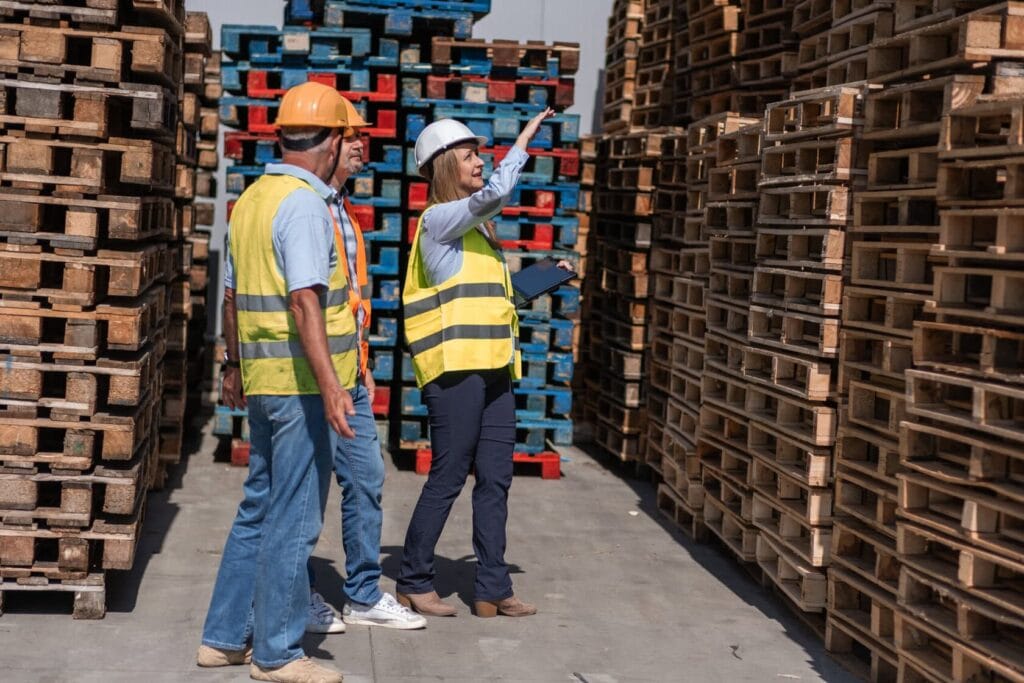
In recent years, particularly after the COVID-19 pandemic, supply chain disruptions have wreaked havoc on industries worldwide, and the pallet industry is no exception. For professionals in this space, understanding the causes of these disruptions and their impact on pallet prices and availability is essential to maintaining a steady inventory. Let’s look closer at how supply chain problems drive up costs and create shortages and how businesses can adapt to these challenges.
The Ripple Effect of Supply Chain Disruptions
Supply chain problems can often start small, like a single-rotted tree. However, they quickly snowball, affecting multiple industries and thousands of consumers. From delays in raw material shipments to labor shortables to transportation issues, every link in the pallet supply chain plays a critical role in ensuring adequate supply for the businesses that need them.
Key Factors Driving Supply Chain Disruptions
Key factors include the following.
Raw Material Shortages
Pallets are primarily made of wood, and the lumber industry has faced significant challenges, including soaring demand, natural disasters, and logistical delays.
Labor Challenges
Labor shortages continue to slow production and delivery, affecting everyone from sawmill workers to truck drivers. Without sufficient workers, manufacturers and suppliers find it harder to meet demand.
Global Shipping Delays
Increased port congestion and a lack of shipping containers have further compounded the problem. Pallets that were once readily available now face delays due to the backup in global shipping routes. These delays are also often caused by natural disasters like hurricanes, wildfires, and earthquakes.
How Supply Chain Problems Impact Pallet Prices
When demand outpaces supply, prices rise. The pallet industry is seeing this trend play out in several ways:
Rising Lumber Costs
The price of raw materials directly affects pallet production costs. When lumber prices spike, pallet manufacturers pass those costs on to buyers.
Increased Transportation Expenses
Fuel price hikes and shipping delays mean higher transportation costs, contributing to more expensive pallets.
Limited Supply, High Demand
With fewer pallets available, competition drives prices up, making it harder for businesses, especially small businesses, to secure the pallets they need without overspending on logistics.
Adapting to the Challenges: Strategies for Success
While supply chain disruptions have made securing pallets at reasonable prices difficult, businesses can adopt proactive strategies to mitigate these issues. Here are some practical steps to consider:
1. Diversify Your Supplier Base
Having a primary supplier and a few backup suppliers for pallets and pallet parts can prevent disruptions to your supply chain. Relying on a single supplier increases vulnerability during shortages, potentially leading to delays and upset consumers. Look for local and regional suppliers to reduce dependence on long-distance logistics.
2. Optimize Pallet Usage
Evaluate your current pallet usage to minimize waste and improve efficiency. Repairing and reusing pallets instead of discarding them can help stretch your inventory and reduce costs. Consider purchasing A or B-grade pallets to save money on necessary pallet purchases.
3. Invest in Alternative Materials
If traditional wood pallets are scarce, consider alternatives like plastic, composite, or metal pallets. These kinds of pallets typically have a higher upfront cost. However, they have increased durability and reusability, which may lead to long-term savings.
4. Strengthen Logistics Coordination
Work closely with your logistics partners to streamline the delivery process. Advanced planning, accurate forecasting, and clear communication can minimize delays and improve pallet availability.
5. Leverage Technology
Invest in inventory management software or other digital tools to track pallet usage, manage supplier relationships, and predict future needs. These tools can provide valuable insights and improve operational efficiency. Many of these tools are embedded with data analytics software that can predict potential supply chain issues before they happen, allowing you to mitigate any issues before they affect the whole supply chain.
The Road Ahead for the Pallet Industry
While supply chain challenges aren’t going away, the pallet industry is evolving to address these issues, leading to a steadier supply of pallets. Many manufacturers are exploring alternatives like composite or recycled pallets to reduce reliance on traditional wood. Similarly, innovations in logistics and technology aim to create a more resilient supply chain.
For pallet professionals, staying informed and connected is key. By leveraging tools like Skid Logic, businesses can navigate disruptions more effectively, maintain their operations, and even find new growth opportunities.
Ready to take the next step?
Visit Skid Logic to learn more about our platform and membership benefits!